

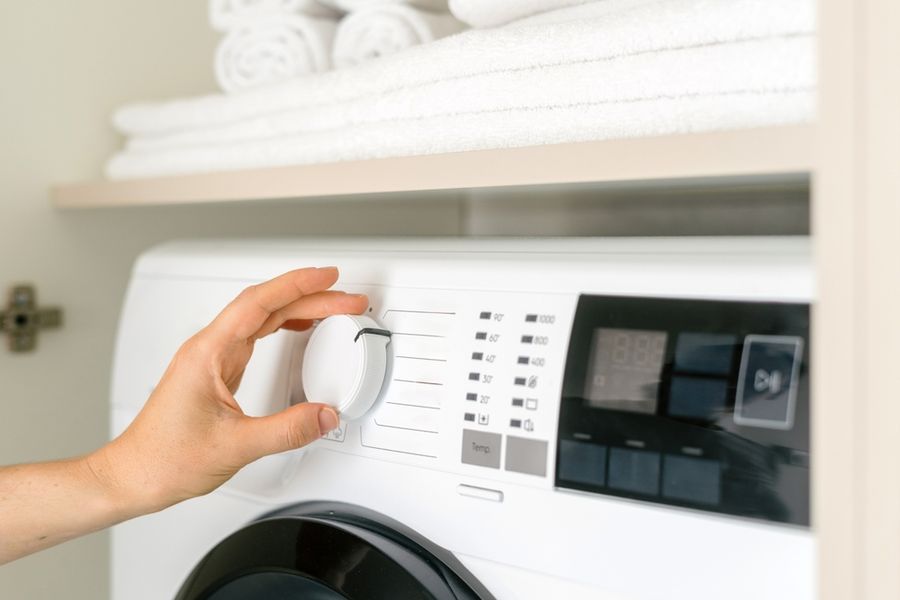
Household appliances play an important role in shaping ongoing operating costs within the home. From kitchen equipment to heating and laundry systems, appliances contribute to daily energy and water use. Over time, appliance efficiency influences how utility expenses accumulate and how predictable household budgets remain. Examining appliance efficiency in relation to household operating costs provides useful context for understanding how long-term expenses are affected by usage patterns, technology, and system performance.
The Role of Appliances in Household Energy Use
Appliances account for a significant portion of household energy consumption. Large systems such as refrigerators, ovens, water heaters, and laundry equipment operate regularly and draw consistent power. Smaller appliances and electronics add incremental usage that accumulates over time. Even when not actively in use, certain appliances continue to consume energy through standby functions.
Energy use varies based on appliance type, age, and frequency of operation. Older models may rely on less efficient technology, increasing baseline consumption. Newer appliances are often designed to use energy more efficiently while maintaining performance. Understanding the role appliances play in energy use helps explain why they are a key driver of household operating costs.
Efficiency Ratings and Performance Standards
Efficiency ratings provide a standardized way to compare appliance performance. Labels and benchmarks reflect how much energy or water an appliance uses under typical conditions. Higher efficiency ratings indicate reduced resource consumption relative to output. These standards help establish expectations around operating cost impact.
Performance standards evolve over time as technology improves. Appliances meeting newer standards often operate more efficiently than older models. While efficiency ratings focus on usage rather than price, they influence long-term expense patterns. Ratings serve as indicators of how appliance performance aligns with cost management goals.
Appliance Age, Maintenance, and Operating Costs
Appliance age plays a role in operating costs. Older appliances may experience reduced efficiency due to wear, outdated design, or declining performance. Maintenance requirements can increase as systems age, adding to operating expenses. Inefficient operation can raise utility usage even when appliances appear functional.
Regular maintenance supports consistent performance but does not always restore efficiency to modern levels. Over time, the cost of operating older appliances may rise relative to newer alternatives. Appliance age affects both energy consumption and repair-related expenses. Understanding this relationship helps explain how appliances influence long-term household costs.
Water Use and Utility Expenses
Many household appliances influence water consumption in addition to energy use, making them an important factor in overall utility expenses. Appliances such as dishwashers, washing machines, water heaters, and plumbing-related systems rely on consistent water flow to operate effectively. Usage patterns determine how frequently these appliances draw water, which can significantly affect monthly utility bills. In regions with tiered or variable pricing, higher water usage may result in increased costs beyond base rates.
Efficient appliances are designed to use less water while maintaining expected performance. Reduced water demand can also lower energy expenses associated with heating water, particularly for appliances that rely on hot water cycles. The relationship between water and energy consumption means changes in one often affect the other.
Household Budgeting and Appliance-Related Costs
Appliance-related operating costs affect household budgeting over time. Utility bills reflect the cumulative impact of appliance usage rather than individual actions alone. Budget predictability depends on appliance efficiency, usage habits, and seasonal factors. Appliances contribute to both fixed and variable expense patterns.
Households may experience gradual cost changes rather than immediate shifts. Appliance performance influences long-term expense stability. Budgeting for operating costs involves recognizing how appliances contribute to ongoing consumption. Appliance efficiency connects daily use with broader financial planning.
Why Appliance Efficiency Influences Household Finances
Appliance efficiency influences household finances by shaping ongoing operating expenses and the predictability of utility costs. Because appliances are used daily, even small differences in efficiency can accumulate into meaningful cost variation over time. Energy and water consumption patterns reflect how appliances perform across seasons and usage cycles. Efficient appliances help moderate expense fluctuations, supporting more stable household budgeting.
Understanding the financial impact of appliance efficiency highlights how everyday household systems contribute to long-term cost management. Appliance performance connects technology, resource use, and financial planning in practical ways. Over extended periods, efficiency affects not only monthly bills but also maintenance needs and replacement timing.