

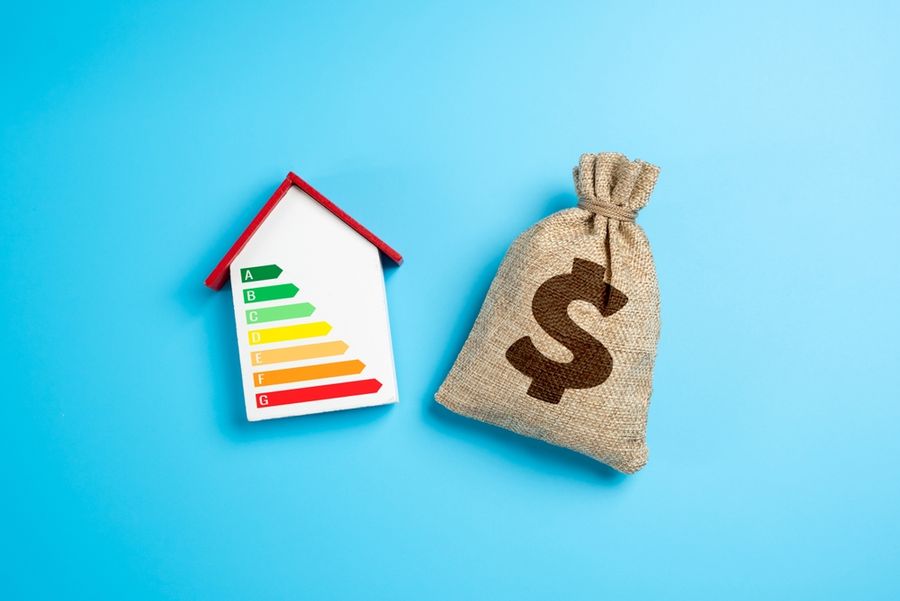
Energy use is a significant component of household expenses, influencing monthly budgets and long-term financial planning. Electricity, heating, cooling, and appliance use all contribute to ongoing energy costs that vary by season, home size, and lifestyle. Household energy consumption reflects both structural factors and daily habits. Examining how energy is used at home and how it affects monthly expenses provides useful context for understanding why energy costs fluctuate and how they fit into broader household finances.
Major Sources of Household Energy Use
Household energy use comes from several primary sources that operate throughout the year. Heating and cooling systems typically represent the largest share of energy consumption, especially in regions with extreme temperatures. Water heating, lighting, and large appliances such as refrigerators and washing machines also contribute consistently to overall usage. Smaller devices and electronics add incremental energy demand over time.
The mix of energy sources depends on home characteristics and geographic location. Older homes may rely on less efficient systems, while newer construction may incorporate updated technologies. Energy use patterns vary widely, but core household functions remain the primary drivers of consumption. Understanding these sources helps explain why energy costs form a substantial portion of monthly expenses.
Seasonal Variations in Energy Costs
Energy expenses often fluctuate based on seasonal conditions. Heating demands increase during colder months, while cooling needs rise during warmer periods. Seasonal changes influence how frequently systems run and how much energy is required to maintain comfortable indoor conditions. These fluctuations can create noticeable changes in monthly utility bills.
Seasonal variation also affects budgeting predictability. Households may experience higher expenses during peak seasons and lower costs during transitional periods. Utility pricing structures and weather patterns contribute to variability. Seasonal energy use highlights how environmental factors interact with household spending and financial planning.
The Role of Home Size and Structure
Home size and structural design play an important role in determining overall energy consumption. Larger homes generally require more energy to heat, cool, and light due to increased square footage and air volume. Layout, ceiling height, window placement, and insulation quality all influence how efficiently energy is distributed and retained. Structural design affects how well a home maintains indoor temperatures, which directly impacts energy use throughout the year.
Construction materials and building age further shape energy demand. Older homes may rely on outdated insulation, windows, or heating systems that allow energy loss. Newer homes are more likely to incorporate design features that improve efficiency, such as improved insulation standards or optimized layouts.
Appliances, Technology, and Energy Demand
Household appliances and technology contribute steadily to energy consumption. Major appliances operate regularly, while smaller devices add cumulative usage over time. Entertainment systems, computers, and smart devices increase baseline energy demand, even when not actively in use. Technology integration has expanded the number of energy-consuming items in homes.
Energy demand varies by appliance type and usage frequency. Efficiency ratings and operational habits influence total consumption. While individual devices may use modest amounts of energy, combined usage affects monthly expenses. Appliance and technology use reflects modern lifestyle patterns and contributes to overall household energy costs.
Energy Costs and Household Budgeting
Energy expenses represent recurring costs that households must account for within monthly budgets. Unlike discretionary spending, energy use supports essential functions such as comfort and safety. Fluctuating energy costs can create challenges for budgeting, particularly during seasonal peaks. Predictability varies depending on usage patterns and pricing structures.
Households often adjust other spending categories in response to rising energy expenses. Energy costs interact with income stability and financial flexibility. Budgeting for energy requires awareness of both fixed and variable components. Understanding energy expenses helps explain their influence on household financial planning.
Why Energy Use Remains a Key Household Expense
Energy use remains a key household expense because it supports essential daily functions and reflects both physical and behavioral factors. Monthly energy costs connect home structure, technology, and lifestyle into a single financial outcome. These expenses influence budgeting decisions and financial planning over time.
Understanding household energy use provides insight into why energy costs fluctuate and why they occupy a central place in household finances. Energy expenses reflect the ongoing relationship between homes, consumption, and financial responsibility. This connection explains why energy use continues to play an important role in shaping monthly household expenses.