

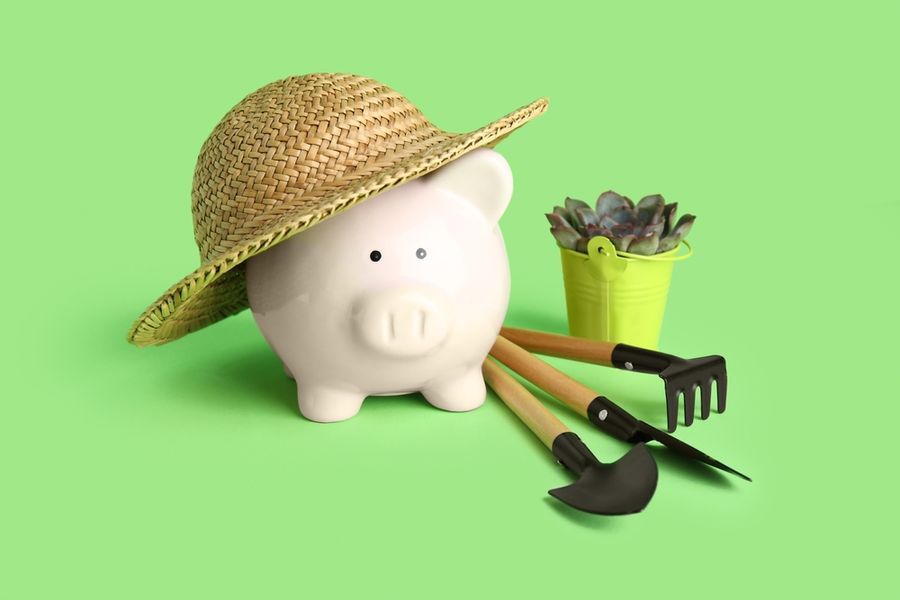
Gardening occupies a unique place within household spending, combining recreational interest with practical expense considerations. For some households, gardening represents an ongoing cost related to supplies, tools, and maintenance. For others, it serves as a way to offset grocery expenses or improve outdoor space value. Gardening-related spending reflects both consumption and potential savings. Examining gardening as a household expense and cost-saving activity offers insight into how financial trade-offs shape participation and long-term value.
Initial Gardening Expenses and Setup Costs
Gardening often begins with upfront expenses that vary widely depending on scale and purpose. Costs may include soil preparation, containers or raised beds, seeds or plants, tools, and basic irrigation supplies. Even small gardens require initial investment before producing any return. Setup costs influence accessibility and determine how gardening fits into household budgets.
The scope of initial spending depends on available space and goals. Outdoor gardens, container gardens, and indoor setups all carry different cost profiles. Some households invest gradually, while others commit more resources upfront. Initial expenses establish the financial foundation of gardening as an activity and shape expectations around ongoing costs.
Ongoing Maintenance and Operating Expenses
Once established, gardens require ongoing maintenance that contributes to recurring household expenses. Water usage, fertilizers, pest control, and replacement plants add incremental costs over time. Seasonal upkeep, such as soil amendments or protective materials, also affects spending. Maintenance expenses vary based on climate, plant selection, and garden size.
Gardening-related operating costs may fluctuate throughout the year. Growing seasons influence spending intensity, while dormant periods reduce expenses. Although individual costs may appear modest, cumulative spending affects household budgets. Ongoing maintenance highlights gardening’s role as a recurring expense rather than a one-time investment.
Gardening and Household Resource Use
Gardening affects household resource use in several ways, with water consumption representing the most direct impact. Irrigation needs increase water usage, particularly during warmer months or periods of limited rainfall. Garden size, plant type, and climate conditions all influence how much water is required. In areas with tiered or variable pricing, higher water use can lead to noticeable increases in utility expenses.
Energy use may also be affected indirectly through gardening practices. Equipment such as pumps, power tools, lighting for indoor or greenhouse gardening, and automated irrigation systems contributes to energy consumption. The level of energy demand varies depending on gardening method, scale, and reliance on technology. Over time, these factors influence household operating expenses.
Potential Cost Savings Through Home Gardening
Home gardening is often associated with potential cost savings, particularly when it involves food production. Growing fruits, vegetables, or herbs may reduce grocery spending for some households, especially when harvests are consistent and align with regular consumption habits. The degree of savings depends on crop selection, growing conditions, and household dietary preferences. Gardening may support partial substitution rather than complete replacement of grocery purchases.
Cost savings are not guaranteed and typically develop over time. Initial setup and ongoing maintenance expenses can offset short-term financial benefits. Yields may fluctuate due to weather, pests, or growing experience. Over longer periods, consistent production and efficient resource use may contribute to reduced food costs.
Time Investment and Financial Trade-Offs
Time represents an important but often overlooked factor in gardening-related finances. Gardening requires regular attention, planning, and physical effort. Time spent maintaining a garden carries opportunity cost, particularly for households balancing multiple responsibilities. Time investment influences perceived value and sustainability of gardening.
Financial trade-offs involve weighing time commitment against potential benefits. For some households, gardening provides non-financial value such as enjoyment or stress relief. For others, time constraints limit participation. Time investment shapes how gardening fits into household financial priorities and lifestyle choices.
Why Gardening Holds Financial Relevance for Households
Gardening holds financial relevance because it combines expense, potential savings, and long-term value considerations. Costs related to setup, maintenance, and resource use interact with possible reductions in food spending and improvements in property appeal. Financial outcomes depend on scale, consistency, and household priorities.
Understanding gardening as both an expense and a cost-saving activity provides insight into its place within household budgets. Gardening reflects broader financial themes such as trade-offs, resource management, and long-term planning. This perspective explains why gardening continues to attract interest as both a lifestyle choice and a financial consideration.