

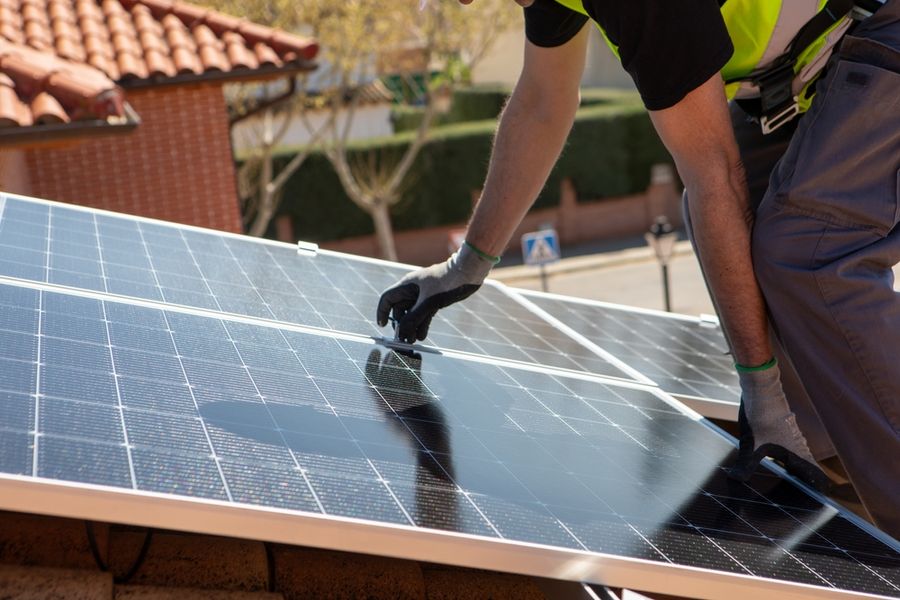
Energy-efficient upgrades have become an important consideration for homeowners evaluating long-term household expenses. Improvements related to insulation, heating systems, appliances, and building materials can influence how energy is used and how costs accumulate over time. While energy efficiency is often discussed in environmental terms, financial implications are equally significant. Examining the financial impact of energy-efficient upgrades provides insight into how upfront investments, operating costs, and long-term household expenses interact within homeownership.
Understanding Energy Efficiency in the Home
Energy efficiency refers to how effectively a home uses energy to support daily needs such as heating, cooling, lighting, and appliance operation. Efficient homes require less energy to maintain comfortable living conditions. Structural features, system performance, and equipment quality all influence efficiency levels. Homes with higher efficiency often experience more stable energy usage across seasons.
Efficiency varies widely between properties. Older homes may rely on systems designed under less stringent standards, while newer construction often incorporates improved materials and technology. Energy efficiency reflects both physical structure and installed systems. Understanding efficiency provides context for evaluating potential financial outcomes of upgrades.
Common Types of Energy-Efficient Upgrades
Energy-efficient upgrades span a wide range of home improvements. Insulation enhancements, window replacements, and sealing improvements help reduce energy loss. Heating, ventilation, and cooling systems designed for efficiency can lower ongoing energy demand. Appliance upgrades also contribute by reducing electricity or fuel use.
Lighting improvements and smart technology may further influence energy usage patterns. Each upgrade addresses a specific area of consumption. Financial impact depends on upgrade type, installation cost, and home characteristics. Evaluating common upgrades highlights how efficiency improvements target different components of household energy use.
Upfront Costs and Investment Considerations
Energy-efficient upgrades often involve upfront costs that vary based on scope and complexity. Larger projects such as system replacements or structural improvements require greater initial investment. Smaller upgrades may involve more modest expenses but still contribute to efficiency gains. Financial planning must account for installation, materials, and labor.
Investment considerations extend beyond immediate cost. Homeowners evaluate expected performance, longevity, and potential savings. Upgrade decisions involve balancing short-term expenditure against longer-term financial outcomes. Understanding upfront investment helps frame how efficiency improvements fit into broader household budgets.
Operating Costs and Long-Term Savings
Energy-efficient upgrades can influence household operating costs by reducing energy consumption over time. Lower energy usage often leads to reduced utility expenses, particularly in areas related to heating, cooling, and water heating. The magnitude of savings depends on several factors, including local energy prices, household usage patterns, and the performance of installed systems.
Long-term savings tend to accumulate gradually rather than appearing immediately. Financial impact becomes more apparent as months and years pass, especially during periods of rising energy costs. Efficiency improvements can help stabilize expenses by reducing exposure to market-driven price fluctuations. Over extended periods, cumulative operating cost reductions may offset a portion of initial investment.
Energy Efficiency and Home Value
Energy-efficient features can influence how homes are perceived and valued within the housing market. Buyers often consider expected operating costs alongside purchase price when evaluating properties. Homes equipped with modern systems, upgraded insulation, or efficient windows may appear more attractive due to anticipated lower energy expenses and improved comfort.
Market response to energy efficiency varies by location, housing demand, and buyer priorities. In some markets, efficiency serves as an added benefit rather than a primary driver of value. Financial impact related to resale depends on how clearly efficiency features translate into cost expectations. Energy-efficient upgrades influence property value by shaping perceptions of long-term affordability and household expense stability.
Why Energy Efficiency Carries Financial Significance
Energy efficiency carries financial significance because it influences both ongoing household expenses and long-term financial stability. Efficient homes tend to use less energy to maintain comfort, which can affect how monthly costs accumulate over time. Upgrades also influence how homes respond to changes in energy pricing, seasonal demand, and market conditions. Financial outcomes reflect how effectively energy use is managed across different stages of homeownership.
Understanding the financial impact of energy-efficient upgrades highlights their role beyond environmental considerations. Efficiency connects upfront investment decisions with operating expenses, budgeting predictability, and potential property value outcomes. Over time, energy efficiency can contribute to greater cost control and reduced exposure to rising energy prices.