

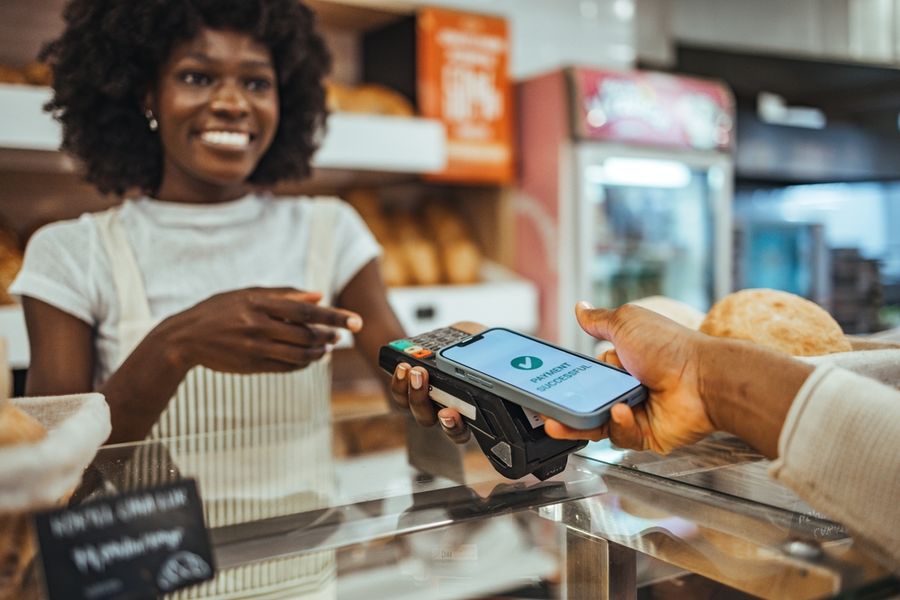
Payment methods play an important role in shaping how consumers approach shopping decisions. The way purchases are paid for can influence spending behavior, budgeting awareness, and purchase timing. As payment options have expanded beyond cash and checks to include cards, digital wallets, and other electronic methods, consumer habits have evolved alongside them. Examining the relationship between payment methods and shopping behavior provides insight into how financial tools affect everyday purchasing patterns and retail interactions.
The Evolution of Payment Methods in Retail
Retail payment methods have changed significantly over time, reflecting advances in technology and financial infrastructure. Cash once dominated everyday transactions, offering immediacy and simplicity. Over time, checks, debit cards, and credit cards expanded payment flexibility and convenience. Each new method introduced changes in how consumers managed purchases and tracked spending.
Digital payment options have further transformed retail transactions. Online shopping platforms, mobile payments, and contactless technologies have reduced friction at the point of sale. Payment evolution has made purchasing faster and more accessible across environments. These developments have influenced not only transaction efficiency but also consumer expectations around convenience and ease.
Convenience and Purchase Frequency
Convenience is a major factor linking payment methods to shopping habits. Payment options that reduce effort or delay can encourage more frequent purchases. When transactions feel seamless, consumers may place less emphasis on the act of payment itself. This ease can affect how often purchases occur and how spending is distributed over time.
Faster payment processes can also shorten the gap between intent and action. Reduced barriers may increase impulse purchases in certain contexts. Convenience-driven payment systems reflect broader lifestyle changes where efficiency and speed are valued. Payment method design influences shopping frequency by shaping how effortless transactions feel.
Spending Awareness and Budgeting Behavior
Different payment methods affect how consumers perceive spending. Cash transactions offer immediate feedback, as money physically changes hands. Electronic payments may feel less tangible, which can influence spending awareness. The psychological experience of payment varies depending on method used.
Spending awareness connects to budgeting behavior. Some consumers track purchases closely regardless of method, while others rely on payment visibility to manage expenses. Payment methods can either reinforce or reduce awareness of cumulative spending. Understanding this relationship helps explain why shopping habits differ across payment preferences.
Credit, Deferred Payment, and Purchasing Decisions
Credit-based payment options introduce additional dimensions to shopping behavior. Paying over time can change how consumers evaluate affordability and timing. Deferred payment options allow purchases to occur without immediate financial impact. This flexibility may influence purchasing confidence and decision-making.
At the same time, deferred payment requires future planning. Consumers must consider repayment obligations alongside current spending. Payment structures that separate purchase from payment can alter perceived cost. Credit-related payment methods highlight how financial tools shape shopping behavior beyond product price alone.
Payment Methods and Retail Strategy
Retailers design payment offerings to align with consumer preferences and business goals. Accepting multiple payment options expands accessibility and may influence conversion rates. Retailers also consider transaction costs, processing fees, and operational efficiency when selecting payment systems.
Payment data provides insight into consumer behavior. Retailers analyze transaction patterns to understand purchasing trends and preferences. Payment methods influence checkout experience and customer satisfaction. Retail strategy increasingly integrates payment options as part of the overall shopping environment.
Security, Trust, and Consumer Confidence
Trust plays an important role in payment choice. Consumers consider security, privacy, and reliability when selecting payment methods. Confidence in payment systems affects willingness to transact, especially in digital environments. Payment-related concerns can influence where and how purchases occur.
Retailers invest in secure payment infrastructure to support consumer confidence. Visible security measures and transparent processes reinforce trust. Payment methods shape not only financial transactions but also perceptions of safety. Trust connects payment choice with long-term shopping behavior.
Why Payment Methods Shape Shopping Habits
Payment methods shape shopping habits by influencing convenience, awareness, and confidence. The tools used to complete transactions affect how consumers experience spending and manage finances. Shopping behavior reflects both product choice and payment structure.
Understanding the influence of payment methods offers insight into broader consumer spending patterns. Payment options act as connectors between financial systems and everyday purchases. This relationship explains why payment methods remain a key factor in shaping how consumers shop and spend over time.