

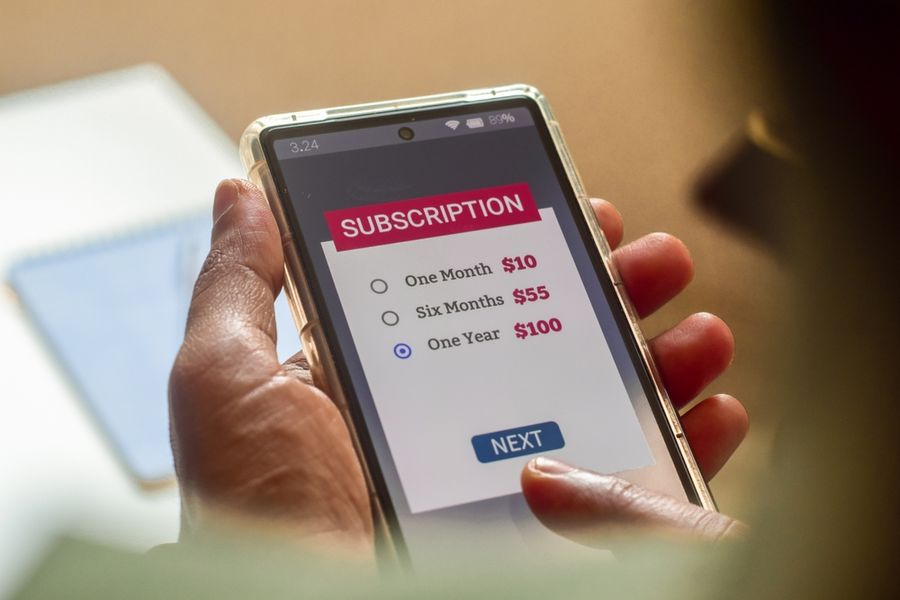
Subscription services have become a common feature of modern consumer spending. From entertainment and software to household goods and personal services, recurring payment models now shape how consumers access products and manage expenses. Regular billing structures influence budgeting habits, spending awareness, and long-term financial commitments. Examining subscription services and recurring consumer costs provides insight into how subscription-based models affect purchasing behavior and reshape patterns of consumer spending.
The Growth of Subscription-Based Services
Subscription services have expanded rapidly across many industries as businesses seek predictable revenue and ongoing customer relationships. Instead of one-time purchases, subscriptions offer continued access to products or services in exchange for regular payments. Advances in digital infrastructure and automated billing have made subscription models easier to implement and manage.
For consumers, subscriptions offer convenience and continuity. Products and services are delivered or renewed without repeated purchasing decisions. This model reduces friction while encouraging long-term engagement. The widespread adoption of subscription services reflects changes in both business strategy and consumer expectations around access and convenience.
Predictable Payments and Spending Structure
Recurring payments introduce predictability into consumer spending. Fixed monthly or annual charges allow households to anticipate expenses more easily than irregular purchases. Subscription pricing often appears manageable when viewed individually, encouraging adoption across multiple categories.
Over time, predictable payments accumulate into a larger share of overall spending. Multiple subscriptions can create layered financial commitments that persist regardless of usage. The structured nature of recurring costs influences how consumers allocate income. Subscription models shape spending structure by spreading expenses evenly rather than concentrating them around specific purchase moments.
Convenience and Consumer Commitment
Convenience plays a major role in the adoption and persistence of subscription services. Automatic renewals, continuous access, and minimal effort reduce the need for repeated decision-making. Once enrolled, consumers may remain subscribed simply because the service continues uninterrupted. Over time, subscriptions become part of daily routines, increasing psychological commitment even when active engagement declines.
The shift from active choice to passive continuation has important implications for spending behavior. Subscriptions often persist without regular reassessment of value, especially when costs feel relatively small on an individual basis. Convenience-driven commitment helps explain why recurring expenses can remain stable for long periods. Subscription models are designed to leverage ease and continuity, reinforcing long-term consumer engagement through habitual use rather than repeated purchase decisions.
Spending Awareness and Subscription Fatigue
Spending awareness can diminish when costs are distributed across recurring payments. Automatic billing reduces the visibility of individual transactions, making it easier for expenses to blend into the background of monthly finances. Consumers may lose track of how many subscriptions are active or how much total spending is allocated to recurring services. This reduced visibility can affect budgeting clarity.
Subscription fatigue may emerge as recurring costs accumulate across categories. Awareness often increases during moments of financial stress, income changes, or periodic budget reviews. At that point, recurring expenses may feel more burdensome than anticipated. This dynamic highlights how subscription services influence not only total spending but also how clearly expenses are perceived and managed over time.
Pricing Models and Perceived Value
Subscription pricing models often emphasize perceived value through bundling, tiered access, or ongoing availability. Monthly or annual fees may appear more affordable than comparable one-time purchases, increasing willingness to subscribe. Consumers tend to evaluate value based on convenience, access, and anticipated usage rather than ownership. Pricing structure plays a key role in shaping these perceptions.
Perceived value varies across individuals, service types, and usage patterns. Some subscriptions provide consistent engagement that reinforces satisfaction, while others rely on the expectation of future use. Pricing models influence how consumers interpret cost relative to benefit. Subscription services demonstrate how payment structure can shape perception of value and influence long-term spending behavior.
Why Recurring Costs Matter in Consumer Economics
Recurring consumer costs matter because they influence how spending accumulates and persists over time. Subscription services reshape the relationship between consumption and payment by prioritizing access and continuity. Financial outcomes reflect how recurring expenses interact with income and budgeting structures.
Recognizing the impact of subscription services offers insight into modern consumer economics. Recurring costs affect spending awareness, flexibility, and long-term financial behavior. This perspective explains why subscription models remain an influential force in shaping consumer spending habits.