

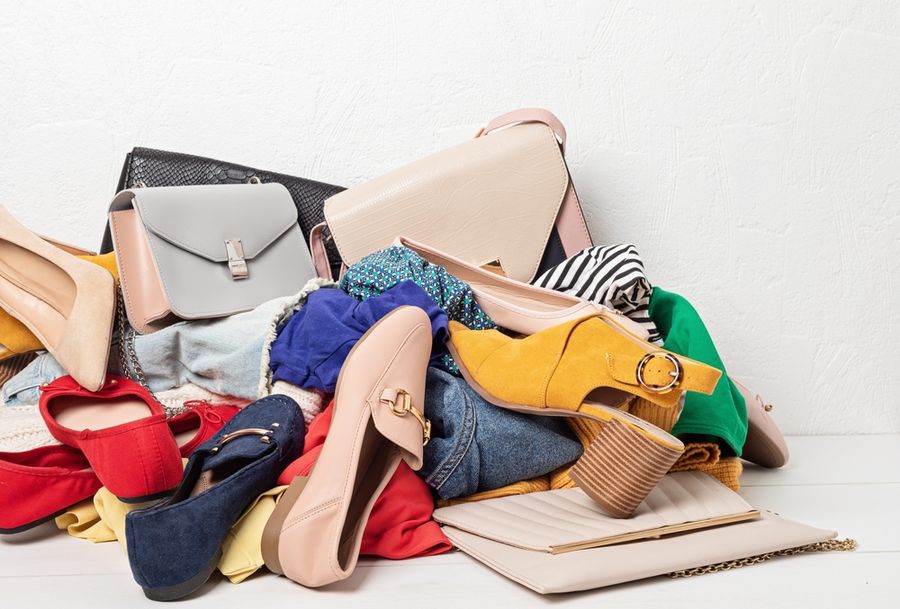
Fast fashion and slow fashion represent two distinct economic approaches within the apparel industry. Each model reflects different priorities related to production speed, cost structure, and consumer demand. While fast fashion emphasizes rapid turnover and affordability, slow fashion focuses on durability, production transparency, and longer product lifecycles. Examining both models through an economic lens helps clarify how pricing, labor, and consumption patterns shape the modern fashion marketplace.
Fast Fashion and Slow Fashion as Economic Models
Fast fashion is built around speed and volume, with brands aiming to move products from design to retail shelves as quickly as possible. Short production cycles allow retailers to respond rapidly to emerging trends and shifts in consumer demand. Large-scale manufacturing and lower per-unit production costs support frequent product releases and broad accessibility. Economically, fast fashion relies on high sales volume and lower margins per item, with revenue growth driven by rapid inventory turnover and consistent consumer purchasing.
Slow fashion operates under a contrasting economic framework that prioritizes quality, durability, and longer production timelines. Output is often limited, and higher production costs reflect material selection, labor standards, and smaller-scale manufacturing. Revenue is supported through higher price points rather than frequent purchases. Products are positioned for extended use, and economic sustainability depends on consumer willingness to pay for longevity and perceived value.
Production Costs and Labor Considerations
Production costs differ significantly between fast and slow fashion. Fast fashion often relies on large manufacturing facilities that prioritize efficiency and cost reduction. Labor expenses are minimized through scale, automation, or geographic sourcing decisions. Lower per-unit costs support competitive pricing.
Slow fashion production tends to involve higher labor costs. Smaller production runs, skilled craftsmanship, and stricter labor standards contribute to increased expenses. These costs are reflected in final pricing. Labor considerations illustrate how economic choices shape production models and price structures within the industry.
Pricing Structures and Consumer Access
Pricing plays a central role in distinguishing fast fashion from slow fashion. Fast fashion offers lower price points that support frequent purchasing. Affordability increases accessibility and broadens consumer participation. Pricing strategies depend on volume-driven revenue and rapid sales cycles.
Slow fashion pricing reflects higher production costs and longer product lifespans. Higher prices may limit accessibility but support sustainable business operations. Consumers pay for durability, quality, and transparency rather than quantity. Pricing differences reflect underlying economic priorities rather than product appearance alone.
Consumption Patterns and Market Demand
Consumer behavior supports both fashion models in different ways. Fast fashion aligns with trend-driven consumption and frequent wardrobe updates. Demand is influenced by novelty, price, and availability. High purchase frequency sustains the economic model.
Slow fashion aligns with deliberate consumption patterns. Demand emphasizes longevity and reduced replacement cycles. Consumers may purchase fewer items but retain them longer. These consumption patterns influence how value is created and sustained across fashion markets.
Supply Chain Structure and Economic Efficiency
Fast fashion supply chains are optimized for speed and scalability. Streamlined logistics, centralized manufacturing, and rapid distribution support frequent product turnover. Efficiency is measured through throughput and cost minimization. Supply chain flexibility allows quick response to demand shifts.
Slow fashion supply chains prioritize traceability and stability. Shorter supply chains or localized production may increase transparency but reduce efficiency. Economic trade-offs exist between speed and oversight. Supply chain design reflects broader strategic goals rather than uniform optimization.
Economic Trade-Offs Between the Two Models
Fast fashion and slow fashion involve distinct economic trade-offs. Fast fashion offers affordability and responsiveness but relies on continuous consumption. Slow fashion supports durability and long-term value but requires higher upfront spending. Each model addresses different consumer priorities and market segments.
Neither model operates in isolation. Elements of both approaches often coexist within the industry. Economic outcomes depend on how brands balance cost, demand, and production constraints. The contrast highlights how economic strategy shapes fashion systems.
Why Both Models Continue to Exist
Fast fashion and slow fashion persist because they serve different economic functions. Consumer demand remains diverse, supporting multiple approaches to production and pricing. Market conditions allow both high-volume and value-driven models to operate simultaneously.
Understanding fast fashion and slow fashion in economic terms clarifies why neither model fully replaces the other. Each reflects a response to consumer behavior, cost structure, and competitive pressure. Together, they illustrate the complexity of the fashion economy and its capacity to accommodate varied business strategies.