

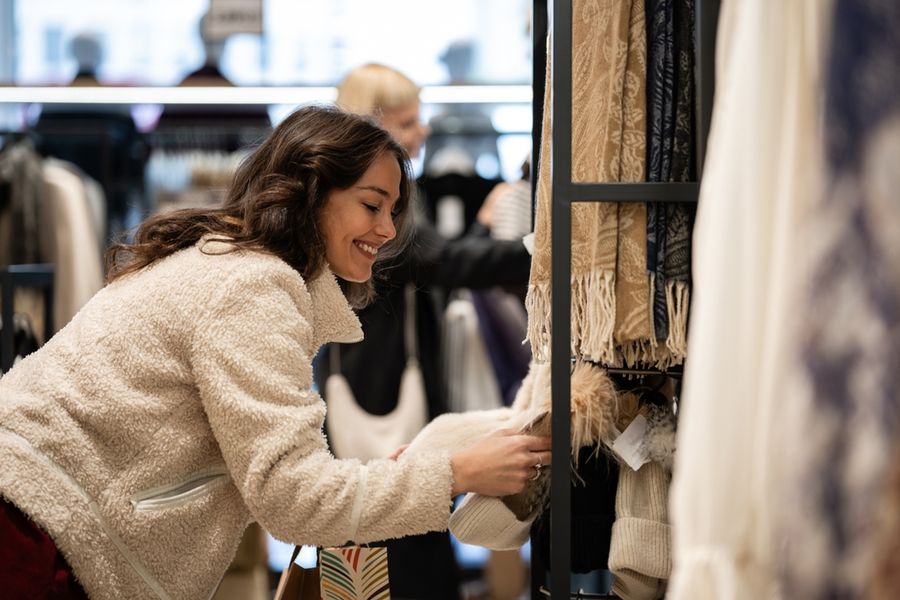
Seasonal changes have long influenced how clothing is designed, marketed, and purchased. Fashion trends often shift throughout the year in response to weather patterns, cultural events, and retail calendars. Consumer spending habits tend to reflect seasonal shifts, with purchasing activity rising or falling based on relevance and timing. Examining the connection between seasonal fashion trends and spending behavior helps clarify how timing, demand, and consumer preferences interact within the fashion marketplace.
The Role of Seasonality in Fashion Cycles
Seasonality plays a foundational role in how the fashion industry operates. Clothing collections are often planned months in advance to align with expected weather changes and seasonal needs. Warmer months tend to bring lighter fabrics and different styles, while colder seasons prioritize layering and insulation. These cycles shape production schedules and retail strategies.
Consumer demand follows similar patterns. Shoppers often adjust purchasing behavior based on seasonal practicality and availability. Seasonal relevance can influence urgency, encouraging purchases when items feel timely. The alignment between seasonal design and consumer need helps maintain consistent movement within the apparel market throughout the year.
How Seasonal Trends Influence Purchasing Timing
Seasonal trends affect not only what consumers buy, but also when purchases occur. Many shoppers plan clothing purchases around seasonal transitions, such as preparing for colder weather or upcoming travel. This timing can concentrate spending into specific periods rather than spreading purchases evenly throughout the year.
Retailers anticipate these patterns and align inventory accordingly. Marketing campaigns, product releases, and store layouts often reflect seasonal expectations. Purchasing timing becomes closely linked to trend visibility and relevance. Seasonal influence helps explain fluctuations in apparel sales across different times of year.
Consumer Behavior and Trend Adoption
Consumers respond to seasonal fashion trends in a variety of ways, shaped by personal priorities, financial circumstances, and lifestyle needs. Some individuals actively follow seasonal releases and update wardrobes regularly, viewing trends as a form of self-expression or social participation. Others approach clothing purchases more conservatively, focusing on durability, practicality, or long-term use rather than seasonal relevance.
Trend adoption also depends on exposure and accessibility. Media coverage, social platforms, retail displays, and cultural events can increase awareness and interest in seasonal styles. When trends feel accessible or aligned with everyday needs, adoption tends to increase. Consumer response determines whether trends gain sustained momentum or fade quickly. Spending behavior functions as ongoing feedback that influences which seasonal trends persist and which are phased out within the fashion market.
Retail Planning Around Seasonal Demand
Retail planning is closely tied to expectations about seasonal demand. Retailers rely on forecasting models that analyze past sales data, consumer behavior, and market conditions to anticipate purchasing patterns. Inventory levels, product assortments, and marketing investments are often structured around seasonal timelines. Effective forecasting supports operational efficiency and helps manage financial risk associated with unsold merchandise.
Seasonal planning also influences pricing structure throughout the product life cycle. Retailers may adjust prices based on demand intensity, inventory levels, and timing within a season. Early periods may emphasize full pricing, while later stages may reflect adjustments aimed at inventory balance. Pricing decisions are shaped by efforts to align supply with consumer interest.
Economic Factors and Seasonal Spending Patterns
Broader economic conditions interact with seasonal spending behavior. Employment stability, household expenses, and overall consumer confidence influence how much individuals allocate toward clothing purchases. Seasonal demand may remain present, but spending levels can vary based on financial conditions.
External factors such as cost of living changes or shifting priorities can affect seasonal purchasing intensity. In some periods, consumers may focus on essential apparel rather than trend-driven items. Seasonal spending patterns remain connected to both economic context and consumer sentiment. These influences shape how fashion markets respond year over year.
Why Seasonal Trends and Spending Habits Are Closely Linked
Seasonal fashion trends and consumer spending habits are closely connected through timing, relevance, and demand. Trends gain traction when they align with seasonal needs and consumer priorities. Spending behavior reflects how effectively trends meet practical and cultural expectations during specific periods.
Understanding this relationship offers insight into the rhythm of the fashion industry. Seasonal influence shapes production, retail strategy, and consumer engagement. Spending habits provide signals that guide future planning and trend development. Together, seasonality and consumer behavior explain how fashion markets maintain momentum and adapt across changing conditions.